

I. Core principles
1. Maintain objectivity, impartiality and neutrality.inspection of goodsThe post represents facts and standards and is not influenced by any party.
2、Inspections must be based on clear AQL standards, customer confirmation samples, customer information and procurement contracts and other documents.
3,inspection reportOnly quality facts are stated, and no business advice or speculation is included.
4, can not be in any form of private contact with customers or private undertaking inspection tasks.

II. Behavioral norms
1. The inspector is strictly prohibited from soliciting or accepting bribes or other benefits from the factory in any form.
2, the customer's information, inspection criteria, sampling plan and inspection results are strictly confidential.
3、When inspecting goods, you must wear the company uniform or wear the company badge or work plate.
III. Preparation for inspection (pre-inspection phase)
1. Access to information:
Obtain factory information, product standards and business contacts from inspection orders.
Obtain and familiarize yourself with all documents related to this inspection prior to departure.
2. Production progress confirmation:
Confirm with the factory in advance that the production of 100% has been completed, and the products above 80% have been packed, and make sure that the production line has been cleared and stopped, and the big goods are ready. Re-confirm the exact factory address and docking person.
3. Tool preparation:
Shooting tools, tape measure, vernier calipers, inferior stickers, color cards, calculators, multimeters, etc. (depending on the product), Site Inspection Report, Integrity Agreement.
IV. On-site check-in
1. Before entering the factory:
The inspector should ”clock in” at the factory gate or in front of the landmark sign, take photos for record, and the photo watermark should show the arrival time and geographic location (as a non-tamperable proof of the starting time and location of this inspection task).
2. Upon entering the plant:
Take the initiative to clearly state to the factory that you are a third-party quality inspector and that your duties are limited to quality assessment.
V. On-site sampling and testing procedures
1. On-site sampling:
Follows AQL standards;
Randomly selected from multiple levels and locations on the top, middle, bottom, inside, and outside of the cargo pile;
Sampling shall be carried out by the inspector himself, it is strictly prohibited by the factory personnel on behalf of the sampling.
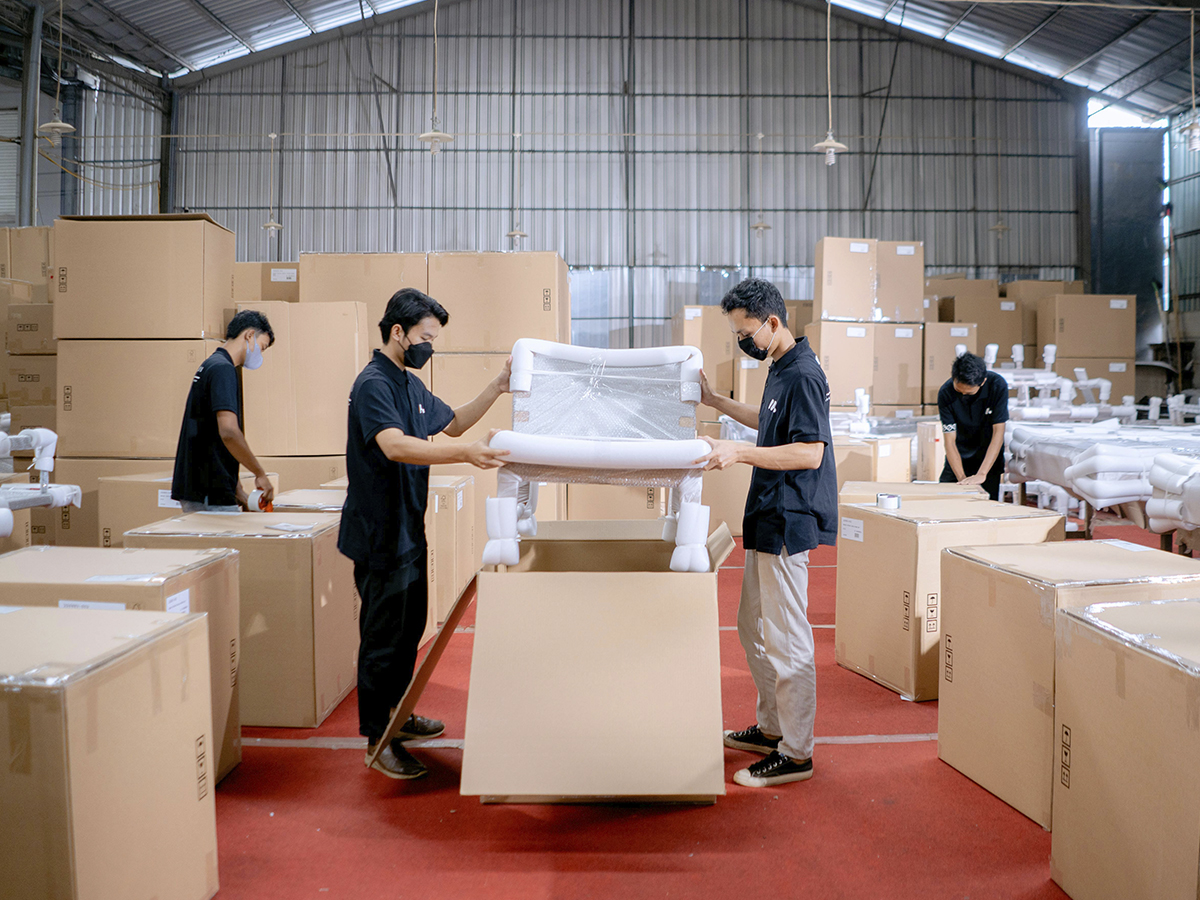
2. Goods inspection process:
quantitative verification
Packaging inspection: check whether the mark, size, material and sealing method of the outer box meet the requirements. Check the color box, manual, nameplate, label, printed content, material, paste position is correct.
Appearance check: Check whether the product surface has scratches, shrinkage, deformation, stains, burrs, color difference and other defects. Check whether the product style, color and material are consistent with the confirmation sample.
Craftsmanship check: Check whether the assembly structure of the product is firm and whether the parts are matched. Such as the plastic parts of the injection molding process; zipper pulling is smooth and so on.
Dimensional Measurement: Measure critical dimensions using gauges to ensure they are within tolerance. Function and performance testing:
Perform comprehensive functional testing. If required, prioritize time-consuming projects such as aging tests and safety tests.
Outer box drop test: simulate the transportation process, check the protection performance of the packaging, others can be done according to requirements, such as vibration test, pressure test, etc.
Sixth, on-site communication, records, confirmation and defective products handling
Communication with the factory should be strictly centered on product quality, inspection processes and problems found on site.
Take the initiative to communicate with the person in charge of production or quality control before the inspection, and ask about the common types of defective products in the production process, the difficulties and their responses, which will help you to quickly locate the problem.
During the inspection process, all findings, including the number of defects, test data, etc., need to be synchronized and faithfully handwritten and recorded on the Site Inspection Report.
If the inspection does not reveal any problems initially, one should be vigilant in reviewing the sampling and methodology, which is usually not in line with the production norm.
Photograph or videotape all defective items, and the photographs should clearly show the details of the defects.
Site report handwriting and validation:
Immediately after the inspection, the inspector is required to clearly and completely fill in the "Site Inspection Report" on site to give a preliminary conclusion.
Be sure to invite a factory representative to review the report and sign and stamp the report.
VII. Post-inspection work and reporting
1. Report submission path:
Formal inspection reports, when completed, are submitted only through the company's internal system or to the immediate supervisor.
2. Official reports:
Timeliness: Upon return, a formal electronic inspection report is issued based on handwritten reports and photographs from the site.
Objectivity: The content of the report must be based on facts, accurate data and clear descriptions.
Completeness: The report should contain:
Basic information about the inspection (date, location, product, etc.).
Sample size and criteria.
Detailed defect statistics and analysis (with photos).
Results of each test.
Clear conclusions (adopted/pending/not adopted) and recommendations.
The official report should serve as a detailed description and support for the on-site report, and the content of the two needs to be consistent.
VIII. Precautions
Maintain professionalism: respect plant personnel, communicate in a professional manner and avoid conflict.
Continuous Learning: In-depth knowledge of the processes, materials and common problems of the products examined to continuously improve professional judgment.
Emergency Response: If the factory does not cooperate, refuses to sign or tries to bribe, etc., you should remain calm, collect evidence and report to the company immediately.

 Chinese
  English
  Japanese
  Korean
  Indonesian
  German